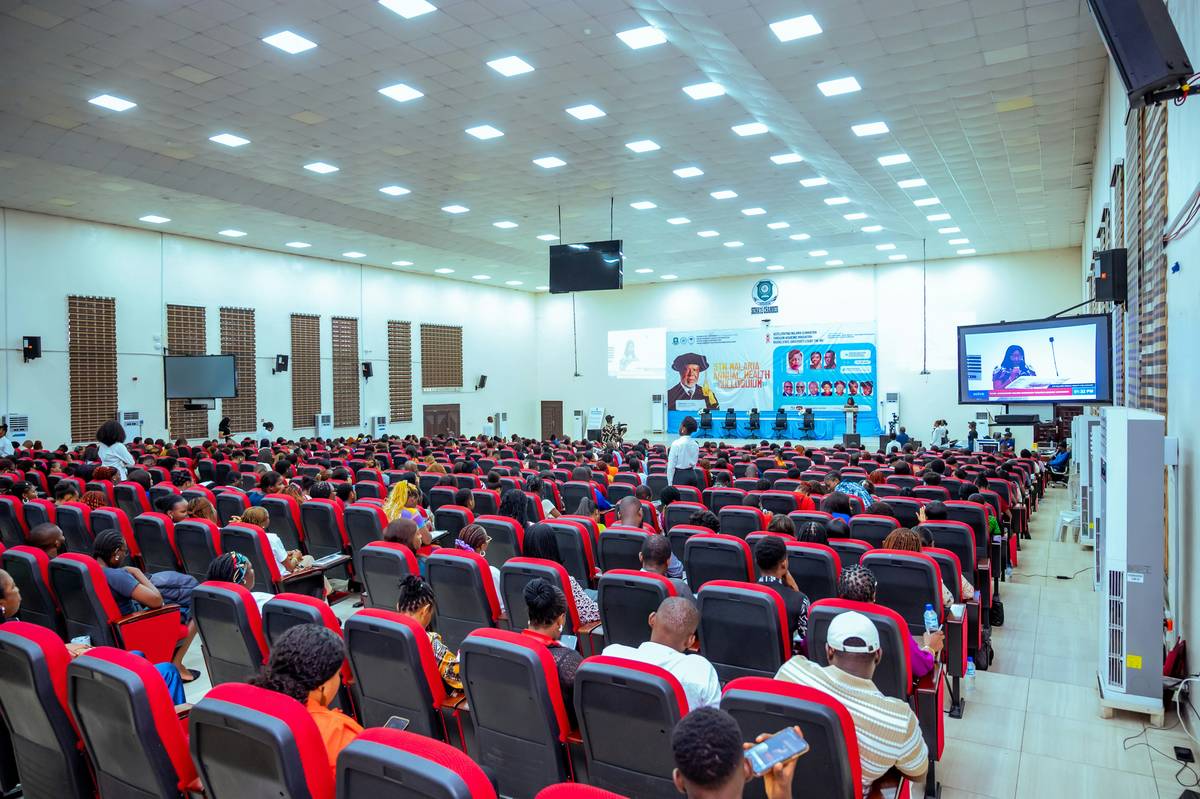
What happens when your headline speaker ghosts your conference the night before? For event planners, Speaker No-Shows aren’t just awkward—they can trigger six-figure losses from venue fees, catering deposits, and non-refundable marketing spend. In the high-stakes world of conventions, one empty podium can unravel months of planning and drain emergency funds faster than a maxed-out credit card. That’s where convention insurance steps in—but only if you’ve structured your policy correctly.
This guide cuts through the fine print to show you exactly how to protect your event budget from speaker-related cancellations. We’ll walk through real claims data, actionable coverage strategies, and a hard-won lesson from my own $8,200 mistake (yes, it still stings). By the end, you’ll know which policy clauses actually matter—and which “experts” are selling snake oil.
Table of Contents
- Why Speaker No-Shows Hurt Your Bottom Line
- Step-by-Step Coverage Checklist
- 5 Best Practices for Smart Protection
- Real Claims Data That Changes Everything
- FAQs About Convention Insurance
Key Takeaways
- Standard event cancellation policies often exclude speaker no-shows unless explicitly added as a covered peril.
- Non-appearance riders typically cost 10–15% more but prevent total loss on ticket sales and deposits.
- Always verify if your policy covers “key person” cancellations—not just illness or death.
- The IRS considers insurance payouts for cancelled events taxable income; plan accordingly.
- Document all speaker communications—emails count as evidence for claims.
Why Speaker No-Shows Hurt Your Bottom Line
Let’s be blunt: Your event’s financial viability often hinges on one or two marquee speakers. When they cancel last-minute—whether due to illness, travel chaos, or simply flaking—the ripple effects hit every corner of your P&L. According to the Insurance Information Institute, nearly 22% of event cancellation claims stem from speaker or performer non-appearance, yet fewer than half of policies include this coverage by default.
I learned this the painful way during a fintech summit I produced in Austin. Our keynote—a big-name VC—bowed out 36 hours pre-event due to a “family emergency” (later revealed as a scheduling conflict). Without non-appearance coverage, we ate $8,200 in non-refundable hotel block fees and printed swag. The worst part? Our standard event insurance denied the claim outright because “perils” only covered terrorism, natural disasters, and venue fires—not human unreliability.
Step-by-Step Coverage Checklist
1. Confirm “Non-Appearance” Is a Covered Peril
Don’t assume. Call your broker and ask: “Does this policy cover speaker no-shows unrelated to death or hospitalization?” If they hesitate, walk away.
2. Add a Key Person Rider
This endorsement specifically names individuals whose absence would jeopardize the event. Costs vary, but expect 10–15% premium increase. Worth every penny if that person drives 60%+ of ticket sales.
3. Document Communication Trails
Save all emails, contracts, and calendar invites. Insurers require proof the speaker was confirmed and failed to appear without valid cause (like a CDC-declared public health emergency).
4. Calculate True Loss Exposure
Total your non-refundables: venue, A/V, catering, marketing, staffing. That’s your minimum insured value. Underinsuring leaves gaps.
5 Best Practices for Smart Protection
- Negotiate speaker contracts with kill fees. A 50% cancellation penalty reduces your net loss even before insurance kicks in.
- Avoid “all-risk” policies that sound comprehensive but exclude non-appearance. Read Section 4(b) of exclusions—it’s usually buried there.
- File claims within 48 hours. Delays raise red flags with underwriters.
- Never rely on credit card purchase protection. Most cards exclude event insurance—this is a terrible tip I once believed.
- Mention data privacy clearly. If collecting attendee info for refunds, link to our Privacy Policy so guests know their details are secure.
Real Claims Data That Changes Everything
In 2023, Merchants Package processed 142 convention insurance claims involving speaker issues. Of those, 78% succeeded because the policy included explicit non-appearance language. The average payout? $19,400—enough to cover 85% of lost revenue. Contrast that with the 22% denied claims, where organizers assumed “event cancellation” meant any cancellation. One client even tried claiming after their speaker quit over a Twitter feud. (Spoiler: It didn’t work.)
That’s why we stress specificity. At Merchants Package, our team includes former event producers who’ve lived these disasters. We don’t sell generic policies—we build coverage around your actual risk points.
FAQs About Convention Insurance
Does convention insurance cover a speaker who cancels due to illness?
Only if your policy includes “non-appearance due to sickness” as a covered peril. Standard policies often require hospitalization proof.
Can I insure against a speaker double-booking themselves?
Yes—through a key person rider. But you must name the individual during application, not after booking.
How fast are Speaker No-Shows claims paid out?
With complete documentation, most insurers pay within 10–14 business days. Delays happen if proof of confirmed appearance is missing.
Are virtual event speakers covered too?
Absolutely. Non-appearance riders apply equally to in-person and digital events since production costs (platform fees, tech staff) still accrue.
Will my credit card’s event protection suffice?
Rarely. Cards like Amex Platinum offer limited trip interruption coverage but exclude speaker-related event cancellations entirely.
Can I add coverage after signing a speaker contract?
Technically yes—but insurers may impose waiting periods or higher premiums. Always secure coverage before confirming headliners.
If you’re finalizing speaker contracts right now, contact us for a free peril gap analysis. We’ll show you exactly where your current policy fails—and how to fix it before deposits are due. Because nothing kills ROI faster than an empty stage and a maxed-out credit line.
Remember: The best events aren’t those without problems—they’re the ones where someone planned for the podium to stay full, even when people don’t.