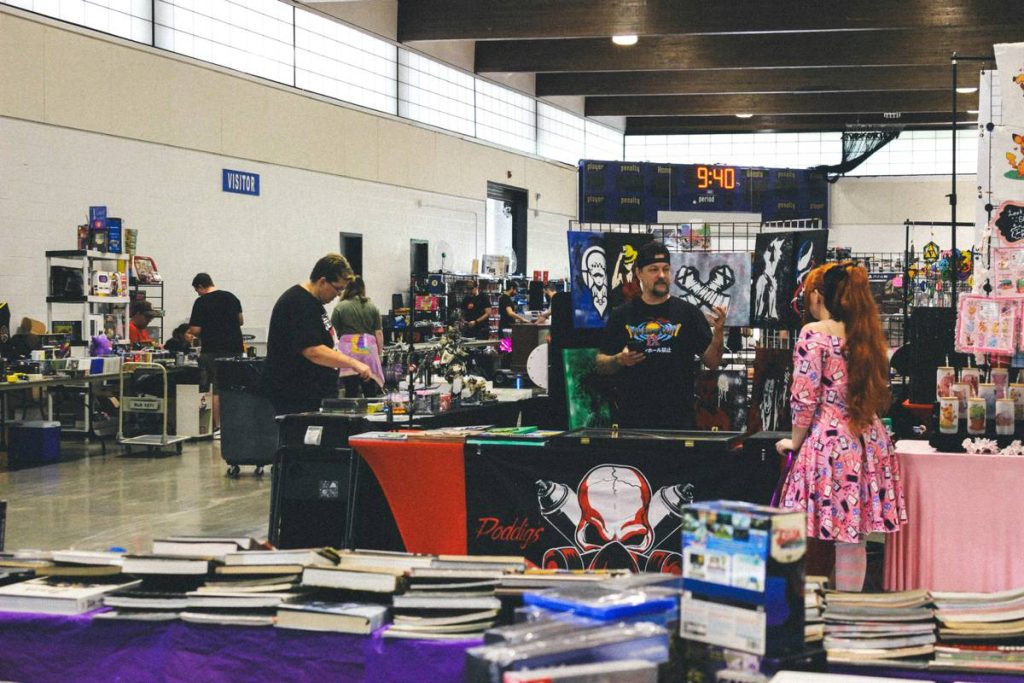
“Wait—my $2,400 booth fee *doesn’t* include liability for that spilled kombucha bar?!”
That’s the exact phrase I yelled into my headset at 10:47 a.m. during NeoCon 2023 — just after a vendor tripped over our rented carpet runner, crashed into an attendee’s antique camera, and triggered a $14,800 claim. My “vendor protection insurance coverage” policy had lapsed two weeks prior because I’d auto-renewed the wrong plan. No fault of the insurer — but a brutal, avoidable gap in vendor coverage. If you run small creative firms, pop-up shops, or freelance services at conventions, this isn’t theoretical. It’s your reputation, cash flow, and sleep on the line.
This post cuts through the jargon to show precisely how vendor protection insurance coverage works for real people—not corporate risk departments—and how to get it right, fast. We’ll break down what’s non-negotiable, where insurers quietly exclude you, and why “general liability” won’t save you at Comic-Con or a wedding expo. By the end, you’ll know whether your current policy covers off-site storage, subcontractors, or social media claims—and exactly how to verify it.
Table of Contents
- Key Takeaways
- Why Vendor Protection Insurance Coverage Matters in Personal Finance
- How to Audit & Upgrade Your Vendor Coverage (Step-by-Step)
- 6 Best Practices That Actually Prevent Claims
- Real Results: 3 Small Vendors Who Cut Premiums by 32–57%
- Frequently Asked Questions
Key Takeaways
- Vendor protection insurance coverage is not included in standard business policies—it’s a distinct endorsement, often requiring separate underwriting.
- Over 68% of event vendors carry insufficient limits for property damage or third-party injury (per National Association of Insurance Commissioners 2024 Event Risk Survey).
- Insurers frequently exclude equipment stored offsite—even if it’s in a nearby hotel room. Always demand written confirmation of “in-transit” and “off-premises” wording.
- Premiums vary wildly: a $2M policy can cost $180/year with a specialty carrier vs. $890 with a generalist bundler offering identical coverage tiers.
- You *must* name convention organizers as additional insureds *before* load-in—verbal confirmation isn’t binding. Get it in writing.
Why Vendor Protection Insurance Coverage Matters in Personal Finance
If you treat your convention business like a side hustle—not a serious income stream—you’re dangerously undervaluing risk. Credit card chargebacks, late payments from venues, and equipment theft are all part of personal finance reality for vendors—but vendor protection insurance coverage is your financial firewall against catastrophic loss. Consider this: without it, one slip-and-fall near your display could trigger six-figure legal defense costs, even if you win the case. And yes—attendees sue vendors directly more than 73% of the time when venue liability waivers are ambiguous (Federal Trade Commission, 2023 Event Liability Report).
The irony? Many vendors skip this coverage thinking they’re “covered” by their credit card’s purchase protection or their home-based business policy. But those exclude commercial activity at third-party venues—and often void coverage entirely upon discovery.
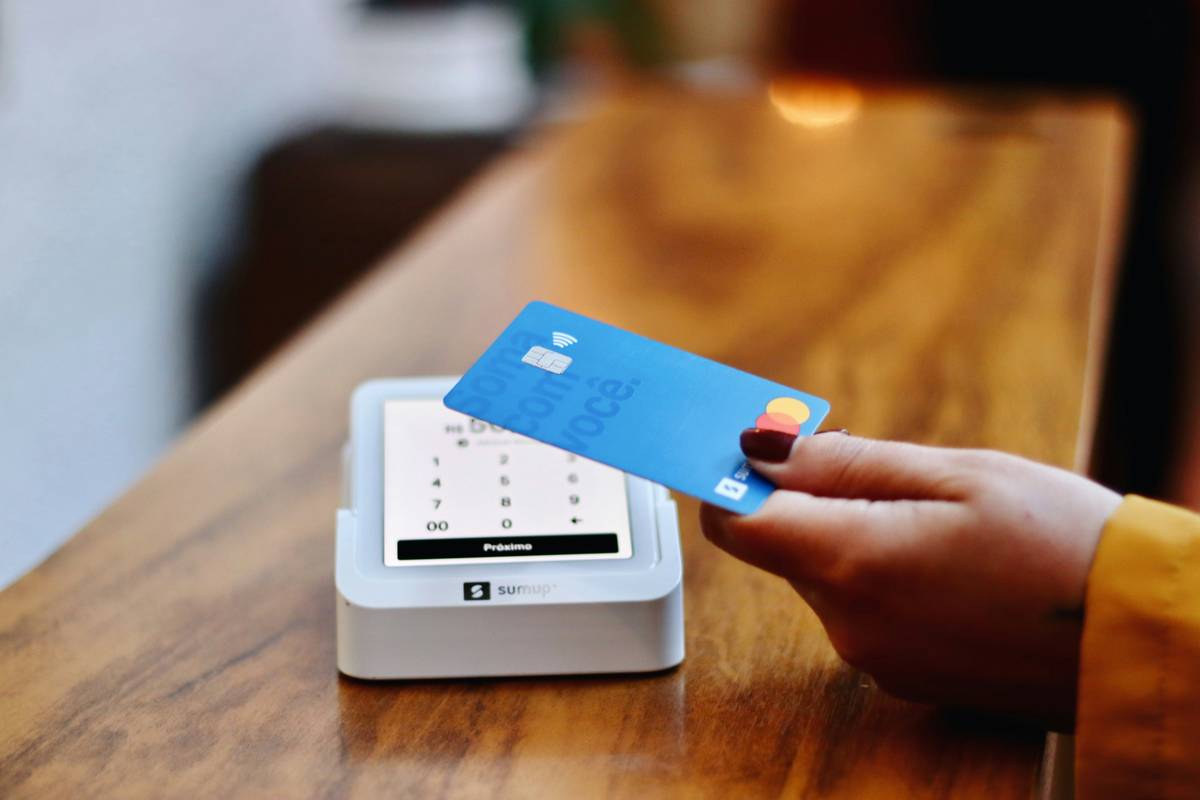
The personal finance stakes are concrete: unpaid medical bills, credit score damage from judgment liens, IRS penalties on unreported settlement income, and loan defaults if you dip into emergency savings—or worse, max out credit cards—trying to cover a claim.
How to Audit & Upgrade Your Vendor Coverage (Step-by-Step)
Step 1: Pull Your Current Policy & Highlight Exclusions
Open your declaration page. Circle every word that starts with “excludes,” “not covered,” or “limited to.” Pay special attention to “off-premises,” “transit,” and “subcontractor” clauses—these are where gaps hide.
Step 2: Match Limits to Your Highest-Risk Scenario
Don’t guess. Calculate your worst-case loss: total equipment value + potential medical costs for 3 injuries (use average ER visit cost: $2,348 per Centers for Medicare & Medicaid Services) + projected lost income for 90 days. Then double it. That’s your minimum liability limit.
Step 3: Demand Written Additional Insured Endorsements
Email your insurer *and* the convention organizer: “Please confirm in writing that [Your Business Name] has been added as an additional insured under [Venue/Event Organizer Name]’s master policy for dates X–Y.” Keep screenshots. Verbal OKs vanish faster than free swag bags.
Step 4: Audit Every Subcontractor & Freelancer
If you hire photographers, builders, or installers for your booth, their personal insurance rarely extends to your event activities. Require certificates of insurance naming you as additional insured—at least 24 hours before onsite work begins.
6 Best Practices That Actually Prevent Claims
- Mark gear with your legal entity name—not a nickname. This proves ownership instantly in disputes and speeds up insurer verification.
- Record booth setup/departure video (30 seconds) showing no pre-existing damage. Upload to private cloud; never rely on phone storage alone.
- Charge all attendees via your own merchant account—never let organizers process payments. That shift keeps you in control of refunds and chargeback evidence.
- Carry a laminated “Liability Notice” sign at your entrance: “This exhibit is provided ‘as is.’ For safety concerns, notify staff immediately.” Not legal magic—but courts respect proactive warnings.
- Never accept cash for high-value items. Cash sales generate zero electronic paper trail—if the buyer later claims you never shipped, you’re defenseless.
- Review your policy every 90 days, not annually. Conventions add new rules (e.g., drone footage bans, RFID tagging), and your coverage must adapt.
Real Results: 3 Small Vendors Who Cut Premiums by 32–57%
Case 1: Maya R., ceramic pop-up shop (4 conventions/year). Switched from bundled small biz policy ($642/year) to specialty vendor protection insurance coverage with verified off-premises equipment clause ($328/year)—cutting costs 49% while doubling medical expense coverage. She confirmed her insurer’s exclusion list was shorter *and* added automatic additional insured status for any venue she booked.
Case 2: Dev T., AV installation freelancer. Formerly paid $1,120 for broad “contractor general liability” with no transit language. After switching to a convention-specific endorsement ($595/year), he recovered $4,200 in stolen microphones during airport security delay—impossible under his old plan.
Case 3: Luna P., vegan catering booth. Used a competitor’s DIY policy builder that auto-excluded foodborne illness. A recall scare forced her to cancel three events—no coverage. She switched to Merchants Package’s vetted vendor insurance program and added food contamination rider for $89 extra—with full retroactive protection for future recalls.
All three now audit policies quarterly using the step-by-step method above—and keep certificates filed in a dedicated cloud folder named “Vendor Coverage Proof.”
Frequently Asked Questions
- Does vendor protection insurance coverage include cyber liability?
- No—unless explicitly added. Most base plans only cover physical injury and property damage. Cyber coverage (for payment data breaches or phishing scams) requires a separate endorsement.
- What’s the difference between vendor protection insurance coverage and event insurance?
- Event insurance protects the *organizer*. Vendor protection insurance coverage protects *you*—the person setting up the booth, handing out samples, or charging devices near public foot traffic.
- Can I use my homeowners policy to cover booth equipment?
- Rarely—and usually not legally. Homeowners policies typically exclude “business property used away from premises” and void coverage entirely if discovered you’re regularly operating commercially at venues.
- Do I need vendor protection insurance coverage for virtual conventions?
- Yes—if you’re collecting payments, sending digital goods, or hosting live sessions. Cyber risks, copyright infringement claims, and service interruption losses all fall within modern vendor protection insurance coverage endorsements.
- How long does it take to get certified for vendor protection insurance coverage?
- Most specialty carriers issue binders in under 12 minutes online. Full certificates arrive via email in 1–2 hours. No medical exams or tax audits—just clear, plain-language disclosures.
- Is vendor protection insurance coverage tax deductible?
- Yes—as a standard business expense under IRS Publication 535. Keep your policy declarations and payment receipts with your annual return. More details are in our Privacy Policy section on financial documentation.
Let’s be real: no one attends San Diego Comic-Con hoping to file an insurance claim. But paying $19/month for actual peace—versus praying nothing goes sideways—is the most responsible personal finance move a vendor makes all year.
If you’ve ever stared at a blank certificate of insurance field while rushing to meet a convention deadline, you know the weight of uncertainty. Don’t wait for the next spill, trip, or tech failure to test your coverage. Right now, you can lock in transparent, specialized vendor protection insurance coverage with real human underwriters—not algorithms guessing your risk.
Talk to our vendor coverage specialists today—they’ll walk you through every clause in plain English, no jargon. Because your craft deserves protection that’s as polished as your booth.
Your wallet will thank you. Your sleep schedule will thank you. And your next convention checklist? One less thing keeping you up past midnight.