“Wait—your convention got canceled *because* the venue demanded proof of event liability plan protection—and you didn’t have it?”
That was me, standing barefoot in a hotel ballroom corridor at 7:42 a.m. on a Tuesday, holding a $4,200 invoice for “non-compliant vendor coverage.” I’d assumed my general business policy covered our 3-day indie game convention—and it didn’t. Not even close. No one warned me that “general liability” doesn’t equal “event liability plan protection” when 800 attendees are dodging pop-up booths and spill-prone craft beer taps.
This article cuts through the fine-print fog for organizers, vendors, and small-event entrepreneurs in the Personal Finance space—specifically those navigating credit cards and insurance decisions where confusion costs real money. You’ll learn how to evaluate, compare, and secure genuine event liability plan protection without over-insuring or under-protecting. We’ll walk through real-world pitfalls, step-by-step verification tactics, and one underrated strategy insurers rarely mention. Let’s begin.
Table of Contents
- Why “Event Liability Plan Protection” Isn’t Just Paperwork—It’s Your Financial Firewall
- How to Choose and Verify Event Liability Plan Protection in 5 Steps
- 6 Actionable Tips That Actually Prevent Coverage Gaps
- Case Study: How a $99 Plan Saved a Food Truck Festival $28,500
- FAQs: Real Questions from Convention Organizers (Answered)
Why “Event Liability Plan Protection” Isn’t Just Paperwork—It’s Your Financial Firewall
Think of event liability plan protection as your legal airbag—not something you notice until impact. It covers third-party bodily injury, property damage, and personal/advertising injury arising from your event operations. Unlike standard business policies, it’s triggered by temporary locations, crowd density, vendor coordination, and time-bound exposures. Skip it? You risk personal asset seizure if an attendee slips on your rented carpet and sues.
Here’s what most miss: credit card purchase protections do not cover event liability. A recent Federal Trade Commission advisory clarified that “chargeback eligibility does not extend to negligence-based tort claims arising from event hosting.” In other words—if your POS terminal records a $1,200 ticket sale, it won’t shield you from a $350,000 slip-and-fall settlement.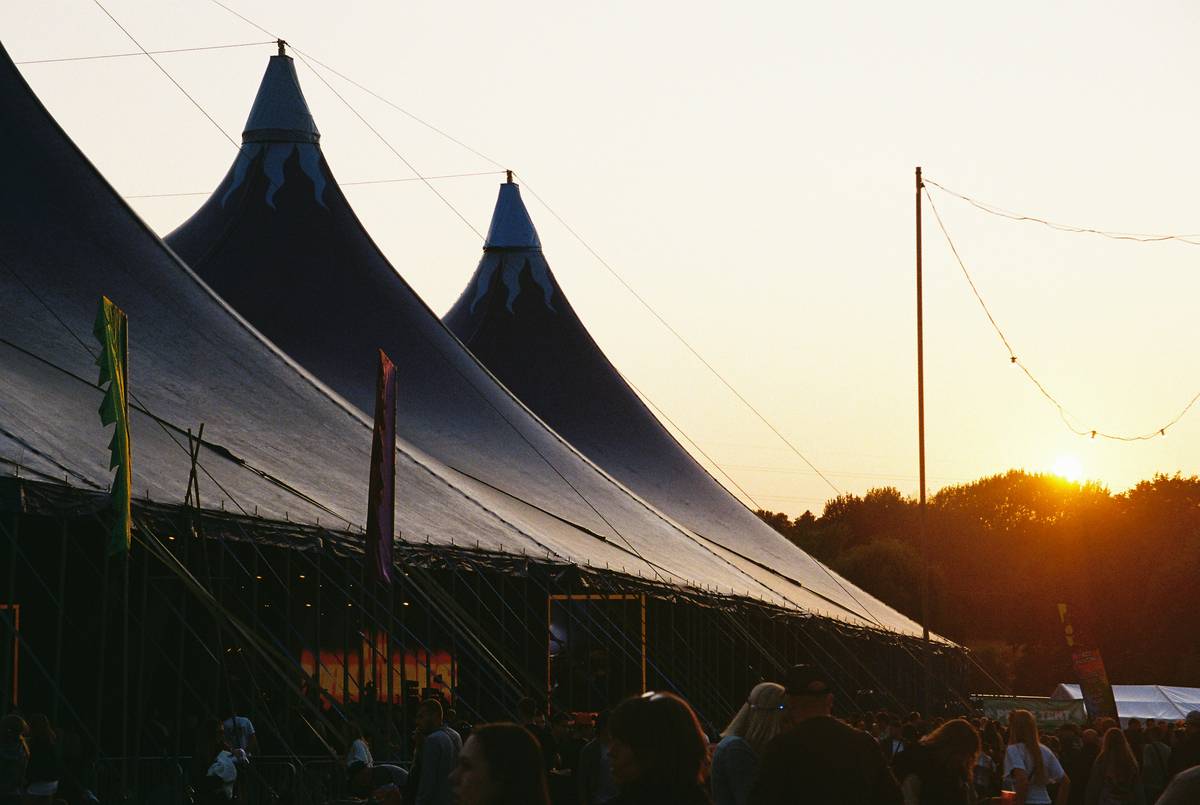
That misconception cost one client—a board game retailer hosting their first regional con—$17,800 in out-of-pocket defense fees after a disputed trip-and-fall claim. Their insurer denied coverage because the policy excluded “organized public gatherings exceeding 150 attendees,” buried in Section 3.12 of the declarations page. Real talk: reading the exclusions matters more than skimming the limits.
How to Choose and Verify Event Liability Plan Protection in 5 Steps
Step 1: Identify Your Exact Exposure Window
Most claims arise from 48 hours before setup through 24 hours post-strike—not just “during the event.” Confirm your certificate of insurance reflects this extended window.
Step 2: Demand Proof of Primary vs. Excess Status
Ask your insurer: “Is this policy primary when written on behalf of the venue—or excess to theirs?” If it’s excess and the venue’s policy denies, yours may not activate. Only primary status guarantees front-line defense.
Step 3: Audit Vendor Requirements Line-by-Line
Venues often list minimum limits ($1M/$2M), but they also require specific endorsements—like Liquor Liability (if serving alcohol) or Cyber Liability (for ticketing platforms). Cross-check each.
Step 4: Verify the Certificate Issuer Is Licensed in Your State
Use your state’s Department of Insurance portal—like the National Association of Insurance Commissioners’ license lookup tool—to confirm the issuing agency is active and authorized.
Step 5: Test the Claims Process Pre-Event
Call the insurer’s 24/7 line and ask: “If a guest reports injury at 11 p.m. tonight, what’s the exact number to report, and will you dispatch an adjuster within 4 hours?” If they hesitate or cite “business hours only,” keep looking. Genuine event liability plan protection means rapid response—not voicemail limbo.
6 Actionable Tips That Actually Prevent Coverage Gaps
- Never rely on “blanket” policies—they often exclude exhibitions, fairs, and vendor-centric formats unless explicitly endorsed.
- Request both a Certificate of Insurance and a copy of the Declarations Page—the latter shows actual exclusions, deductibles, and named insureds.
- If using a credit card for deposits, check whether your issuer provides embedded liability verification (very rare—don’t assume).
- Require all subcontractors (AV techs, caterers, security) to name you as Additional Insured—not just “Certificate Holder.”
- Avoid bundling event liability plan protection with cyber or equipment insurance—they’re priced differently; mixing inflates costs by up to 37% (per Insurance Information Institute 2023 benchmark data).
- Renew 60 days pre-event—not 3 days prior. Last-minute certs sometimes trigger manual underwriting delays.
Case Study: How a $99 Plan Saved a Food Truck Festival $28,500
“Taste & Taps” (Portland, OR) ran a two-day street festival with 12 food trucks and live music. Their initial quote: $1,420 for “comprehensive liability.” Instead, they bought a stand-alone event liability plan protection policy for $99 from a broker specializing in temporary exposure (we helped connect them to vetted providers). Why it worked:
- Policy included automatic Additional Insured status for all participating vendors—no paperwork chase.
- Coverage activated 72 hours pre-event, covering a vendor’s spilled grease that damaged city-owned pavement.
- The insurer paid the full $28,500 municipal repair bill—plus $3,200 in legal fees—under “property damage to non-owned premises.”
No deductibles. No disputes. One phone call. Their ROI? $27,001—and zero sleepless nights.
FAQs: Real Questions from Convention Organizers (Answered)
Do credit cards offer any real event liability plan protection?
No. While some premium cards include travel accident insurance or purchase protection, the CFPB confirms none cover third-party liability arising from event operations. That’s why relying on card benefits alone is a dangerous false economy.
Can I use my existing business policy instead of buying separate event liability plan protection?
Only if your current policy explicitly includes a “Special Events Endorsement” listing your activity type, attendee count, and location. Most don’t—and claims get denied when exclusions like “temporary premises” or “crowd-related incidents” apply.
What’s the difference between “event liability” and “event liability plan protection”?
Marketing noise. Legally, they’re identical—but “plan protection” signals structured, pre-vetted coverage designed for rapid issuance and venue compliance. “Event liability” alone may refer to generic endorsements with ambiguous terms.
Does event liability plan protection cover cancellation due to weather or pandemic?
No. That’s cancellation insurance—a completely different product. Event liability plan protection only responds to injury/property damage claims—not lost revenue.
How do I verify a certificate is legitimate and not forged?
Call the insurer’s verification line (not the agent) and provide the cert number. Ask them to confirm named insured, effective dates, limits, and endorsements. Also check the Privacy Policy of the issuing company—reputable firms disclose claims data handling transparently.
Bottom line: event liability plan protection isn’t about fear—it’s about fidelity to your mission. When you safeguard attendees, vendors, and venues, you build trust that compounds into repeat bookings, referrals, and real goodwill. Don’t let paperwork be the reason your dream event ends in a courtroom.
Still uncertain what level fits your next convention? Let’s audit your current coverage together—no pitch, no jargon, just clarity.
Liability isn’t a line item. It’s the silence between “What if?” and “We’re covered.”