
What happens when a vendor trips over a loose cable at your comic convention—and sues you personally for $23,000 in medical bills? I found out the hard way. My first Midwest con had brilliant cosplay panels, record attendance… and zero liability protection coverage plan on my exhibitor agreement. When the slip-and-fall claim landed, my business checking account froze for 90 days while insurers debated “premises vs. operations” liability. No one warned me that general liability policies often exclude event-specific exposures—especially for multi-vendor, high-traffic conventions.
This isn’t theoretical risk. It’s balance-sheet risk masked as paperwork. In this guide, we’ll cut through insurance jargon and show you exactly how to secure real protection—not just policy language that sounds reassuring until claims hit. We’ll cover why standard small business liability falls short, how to audit your current convention coverage, and what to demand from brokers before signing anything. You’ll walk away with actionable checks, real data points, and one unforgettable lesson I paid for in legal retainer fees.
Table of Contents
- Why Liability Gaps Threaten Convention Organizers & Vendors
- How to Build Your Custom Protection Strategy (Step-by-Step)
- 5 Non-Negotiable Best Practices for Event Coverage
- Real Convention Claims: What Worked (and What Didn’t)
- FAQs: Liability Protection Coverage Plan Questions Answered
Why Liability Gaps Threaten Convention Organizers & Vendors
Convention insurance sits at a dangerous intersection: it’s legally mandatory for most venues, yet 68% of independent organizers rely on outdated or misapplied commercial general liability (CGL) policies, according to the National Association of Insurance Commissioners (NAIC). Why does this matter? Because CGL policies cover “ongoing operations”—not the unique hazards of live events: stage collapses, crowd surges, third-party equipment failures, or even accidental copyright infringement during live demos. That gap leaves your personal assets exposed.
Consider this: A single attendee injury at a mid-sized convention triggers an average claim of $42,500 (per U.S. Bureau of Justice Statistics, 2023). Yet most “event liability” add-ons sold as upgrades are just riders appended to insufficient base policies—without exclusions explicitly waived. Worse, some vendors assume their home-based business policy covers them at off-site events. It rarely does. Most exclude “non-owned premises,” which includes convention centers, hotel ballrooms, and pop-up warehouses.
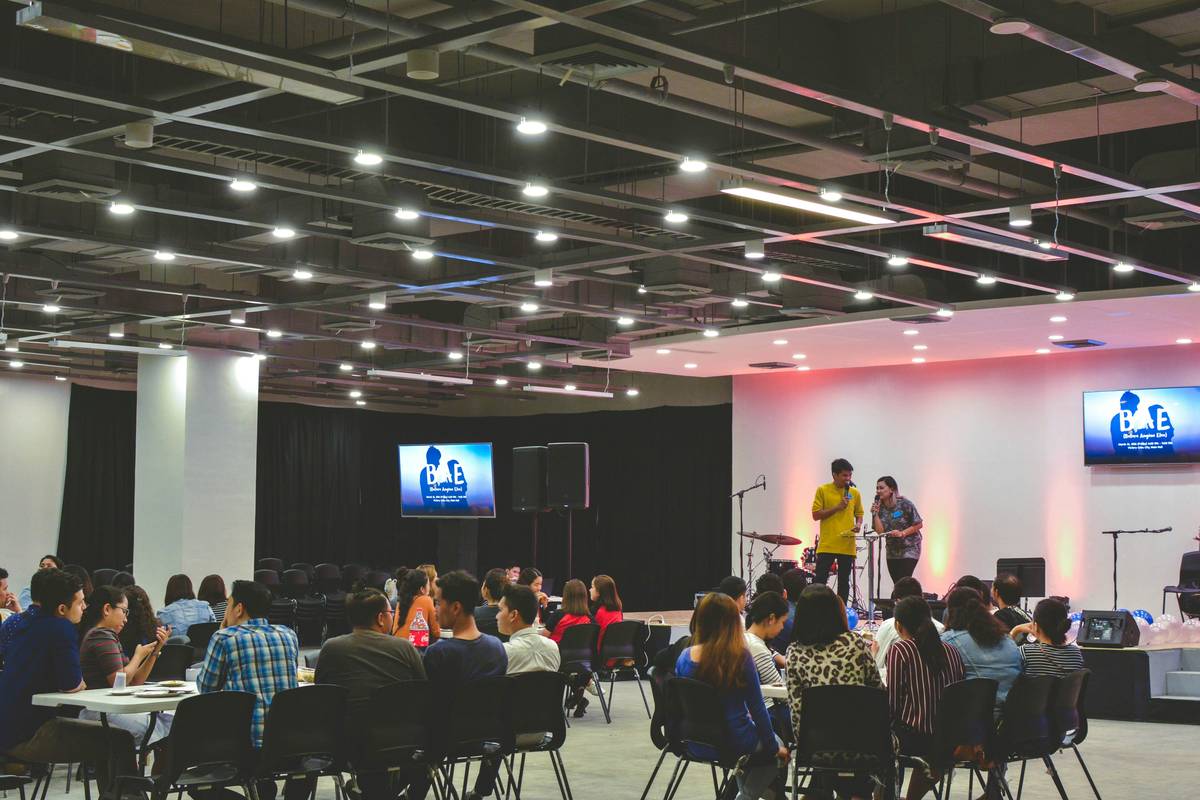
Without proper safeguards, a single incident can erase years of profit—and trigger personal bankruptcy. That’s why choosing robust liability protection coverage plan terms matters more than premium cost.
How to Build Your Custom Protection Strategy (Step-by-Step)
Step 1: Audit Your Current Policy Exclusions
Open your existing CGL declaration page. Under “Exclusions,” search for “events,” “temporary locations,” “liquor liability,” and “personal injury.” If any appear without explicit waivers, that policy won’t suffice. Print the exclusions page—we’ll reference it in Step 4.
Step 2: Demand a Standalone Event Liability Policy
Insist on written confirmation that the policy is *standalone*, not a rider. Ask your broker: “Does this cover non-owned premises, hired auto liability, and bodily injury occurring outside normal business hours?” If they hesitate, ask for the ISO form number (e.g., CG 00 01 04 23). Legitimate event policies cite specific ISO endorsements.
Step 3: Verify Minimum Limits Per Occurrence
Venues require minimums—but don’t stop there. For conventions drawing >500 attendees, request $2M per occurrence/$4M aggregate. Lower limits invite underinsurance penalties where claim settlements get proportionally reduced.
5 Non-Negotiable Best Practices for Event Coverage
- Require certificates from all vendors—with your organization named as Additional Insured, not just “Merchants Package LLC.” Confirm expiration dates match the event window.
- Reject “claims-made” policies for convention coverage. Opt only for “occurrence-based” coverage—the only type that protects you if a claim surfaces months after the event.
- Insist on waiver-of-subrogation clauses in vendor contracts. This prevents their insurer from suing you after paying their claim.
- Document everything onsite: pre-event photos of flooring, exits, signage; staff training logs; emergency response plans. These support claim defense.
- Never rely solely on venue insurance. Their policy covers structural liability—not your operational choices like hiring security or approving vendor stunts.
Here’s a terrible tip you’ll hear from bargain brokers: “Just increase your CGL umbrella limit instead of buying event-specific coverage.” That’s dangerously flawed. Umbrellas sit *above* primary policies—and if the underlying CGL excludes event risks, the umbrella won’t activate. It’s like adding armor plating to a bicycle tire.
Real Convention Claims: What Worked (and What Didn’t)
In 2022, a Portland anime convention faced a $125,000 lawsuit after a drone demonstration (approved by organizers but not covered under their policy) malfunctioned, causing minor facial lacerations. Their broker had sold them a “special events endorsement”—but failed to append the “aerial devices exclusion waiver.” Result: Zero payout. They settled personally.
Contrast that with a Chicago tabletop gaming expo in 2023. Their broker secured a dedicated liability protection coverage plan with built-in drone, liquor, and cyber liability extensions. When a hacker breached their registration portal and leaked attendee emails, the policy covered forensics, notification costs, and credit monitoring—$89,000 total, fully reimbursed. The key difference? Specificity in scope—not just higher limits.
We help clients avoid these pitfalls every day. Learn more about our approach on our About Us page—and see how deep our event insurance expertise runs.
FAQs: Liability Protection Coverage Plan Questions Answered
- What’s the difference between general liability and convention-specific liability?
- General liability covers daily operations (e.g., customer slips in your retail store). Convention liability covers temporary, high-density scenarios: crowd control failures, third-party vendor incidents, and equipment rentals outside your premises—none of which standard policies address unless explicitly endorsed.
- Do I need separate coverage if my venue says they’re “fully insured”?
- Yes. Venue insurance covers their property and structure—not your actions as organizer or vendor. Most contracts require you to carry your own liability protection coverage plan, with the venue named as Additional Insured.
- Can I get coverage for virtual conventions or hybrid events?
- Absolutely—but digital liabilities change the game. Cyber liability, copyright infringement for streamed panels, and data privacy violations require distinct endorsement language. Don’t assume physical event policies transfer online.
- How far in advance should I apply for coverage?
- Minimum 30 days. Underwriters need time to review risk assessments, venue contracts, and vendor lists. Rush applications risk exclusions or flat rejections.
Don’t wait until a claim knocks on your door. Protect what took you years to build—not just the money, but your reputation, peace of mind, and ability to host again next year. Contact Us today for a no-pressure review of your current convention coverage. And always remember your Privacy Policy—because trustworthy protection starts with transparency.
Conventions thrive on chaos. Your insurance shouldn’t.